
Technology
Not every NFC tag protects against the same threat
Cloning a chip, peeling off a real tag, resealing a package: these are three different frauds. Here is which NFC tag answers each one, and how to choose for your product.
SealTrust6 min
Articles, tutorials and analysis on product authentication, blockchain and anti-counterfeiting.
Cloning a chip, peeling off a real tag, resealing a package: these are three different frauds. Here is which NFC tag answers each one, and how to choose for your product.

Uncertified and counterfeit lithium cells are behind most e-mobility fires. Why a copied safety mark proves nothing, and how a verifiable identity bound to each battery closes the gap the label leaves open.

Fragrance and cosmetics are among the counterfeits regulators flag as most dangerous, because they go straight onto the skin. Lab tests find banned allergens and toxic substances in fake bottles. Why authenticity has to be verifiable before the first spray.

Verified resale, tracked repairability, trusted second-hand: why a product identity that stays with the item for life becomes the real infrastructure of circularity, and what ESPR will require.
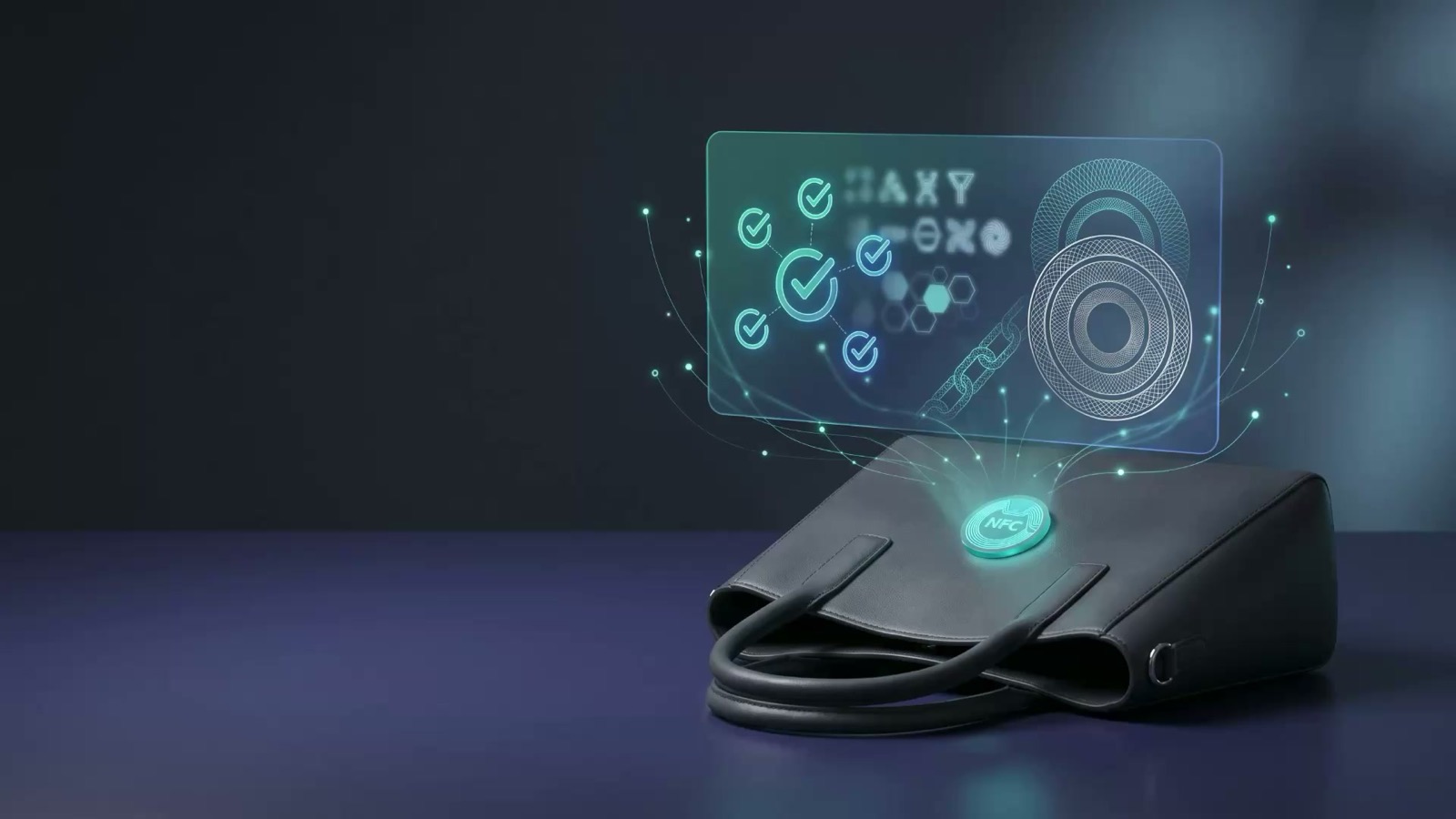
Buying advice, second-hand checks, compliance reviews, more and more product questions are asked to an AI assistant first. SealTrust now exposes its public verification API as a Model Context Protocol (MCP) server: agents can check authenticity and read Digital Product Passports directly. Read-only, no API key, available today.
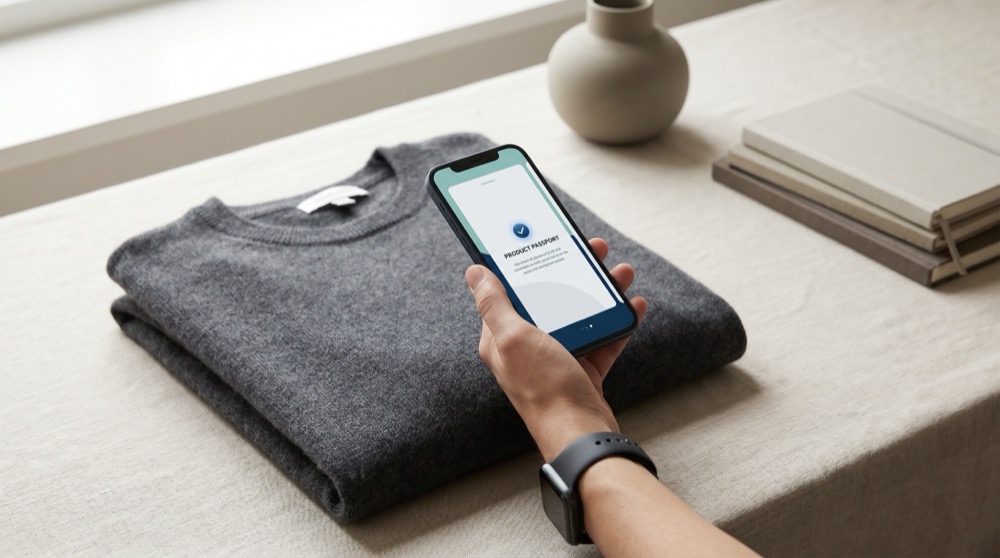
Third-party cookies are going away and acquired data is getting harder to use under GDPR. The product passport opens a different channel: data the customer hands you willingly, tied to a physical item, held on the brand side. Here is what that means and where it stops.
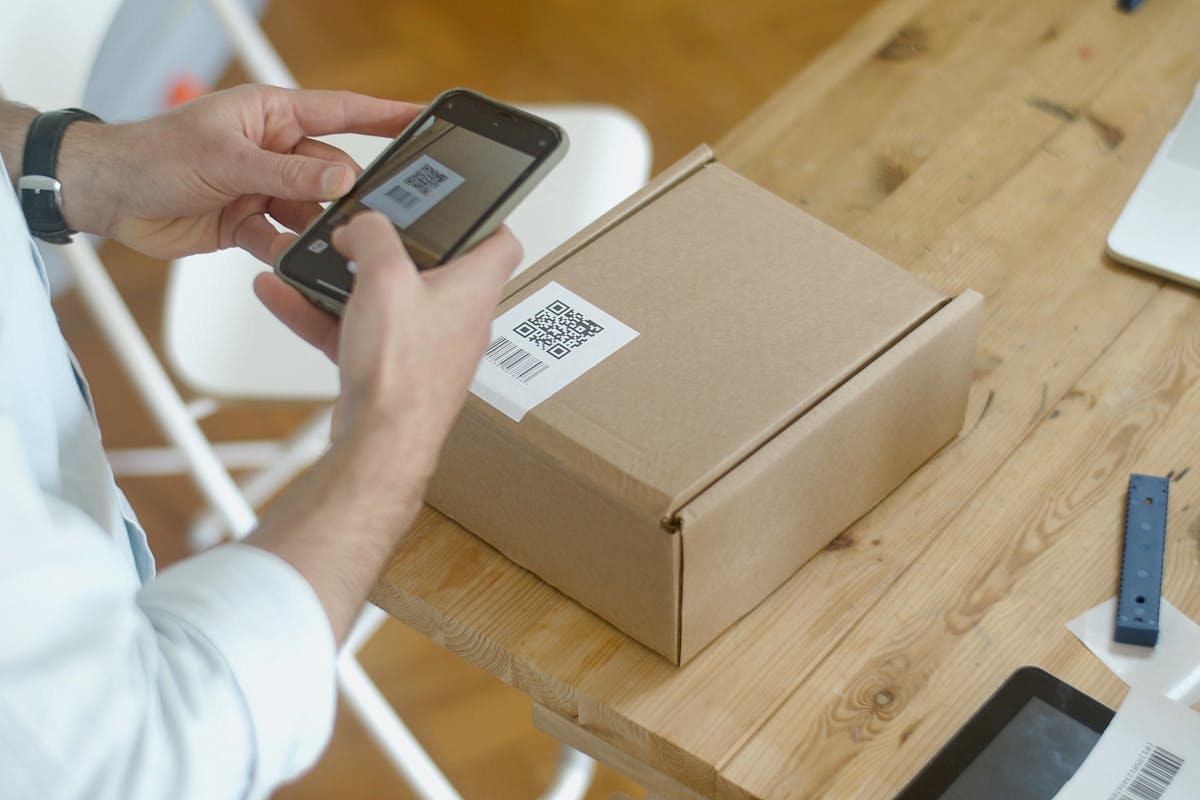
The ESPR introduces a central Digital Product Passport registry and a single QR code that has to serve both consumers and authorities. Here is how the registry, the data carrier and GS1 Digital Link fit together, and what to put in place now.
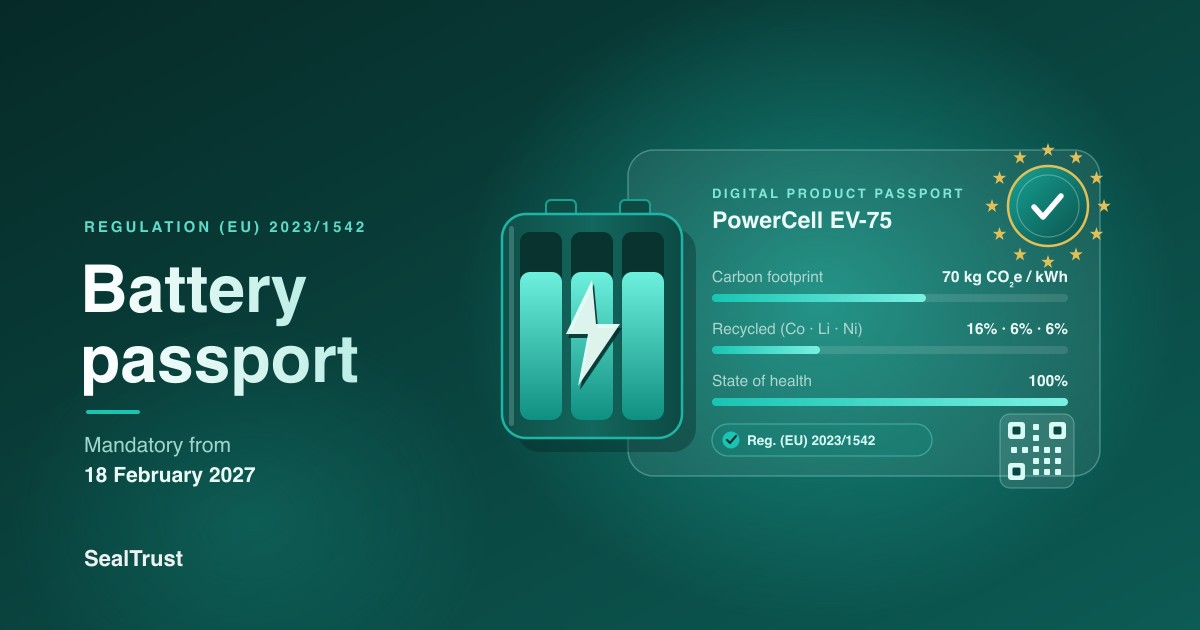
From 18 February 2027, EV, industrial and light-transport batteries sold in the EU must carry a digital passport. Here's what Regulation 2023/1542 actually asks for, where electronics stands, and how to prepare.

Textiles sit at the top of the ESPR priority list, which makes apparel one of the first sectors to face a Digital Product Passport. Here is what is coming, what data brands will need, and how it lines up with anti-counterfeiting.

Putting an entire production batch on a public blockchain sounds expensive. With a Merkle tree and Ethereum's Layer 2, it isn't. Here's how the maths works, and the cases where it actually matters.
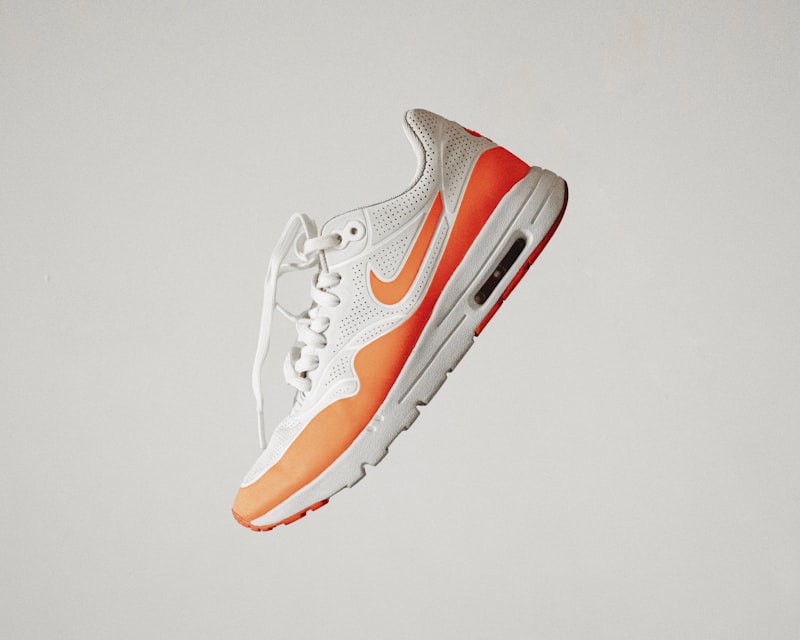
A new generation of counterfeits is so accurate that even trained experts can't tell them apart. Here's what that means, and what to do about it.

Holograms and QR codes have failed. Here's how NFC + blockchain creates certificates that can't be forged, and what the numbers look like for brands deploying it today.

Cryptographic NFC authentication, embedded into what you already build. Here's what to expect when SealTrust protects every product as it leaves the line.

Analysis of the latest data on global counterfeiting: a market estimated at up to $4.5 trillion including piracy, threatening every industry.

The European ESPR regulation will require full product traceability by 2027. Here's how to prepare your compliance strategy.

Counterfeit medicines kill hundreds of thousands of people per year. How can technology reverse this trend?
Both technologies get products talking to smartphones. But for authentication, the differences are night and day.

End-to-end traceability isn't just a regulatory requirement, it's becoming the foundation of consumer trust. Here's how to build it.
Get our latest articles and news directly in your inbox.
By subscribing, you agree to our privacy policy.