
Second-hand is no longer a niche. Resale, repair and reuse account for a growing share of a product's value, and European regulation is now pushing brands to document the full lifecycle of what they make. Yet this circular economy still rests on a fragile foundation: trust.
The circular economy runs into a trust problem
When a product changes hands, the second-hand buyer has almost no reliable way to know whether it is authentic, where it came from, or how it was maintained. Paper certificates get lost or forged. Photos prove nothing. The result is a discount, suspicion, and a large share of perfectly reusable items set aside for lack of proof.
Repairability suffers from the same blind spot. A product whose service history is unknown is harder to repair and sells for less. The information exists, but it is not attached to anything durable.
An identity that stays with the product
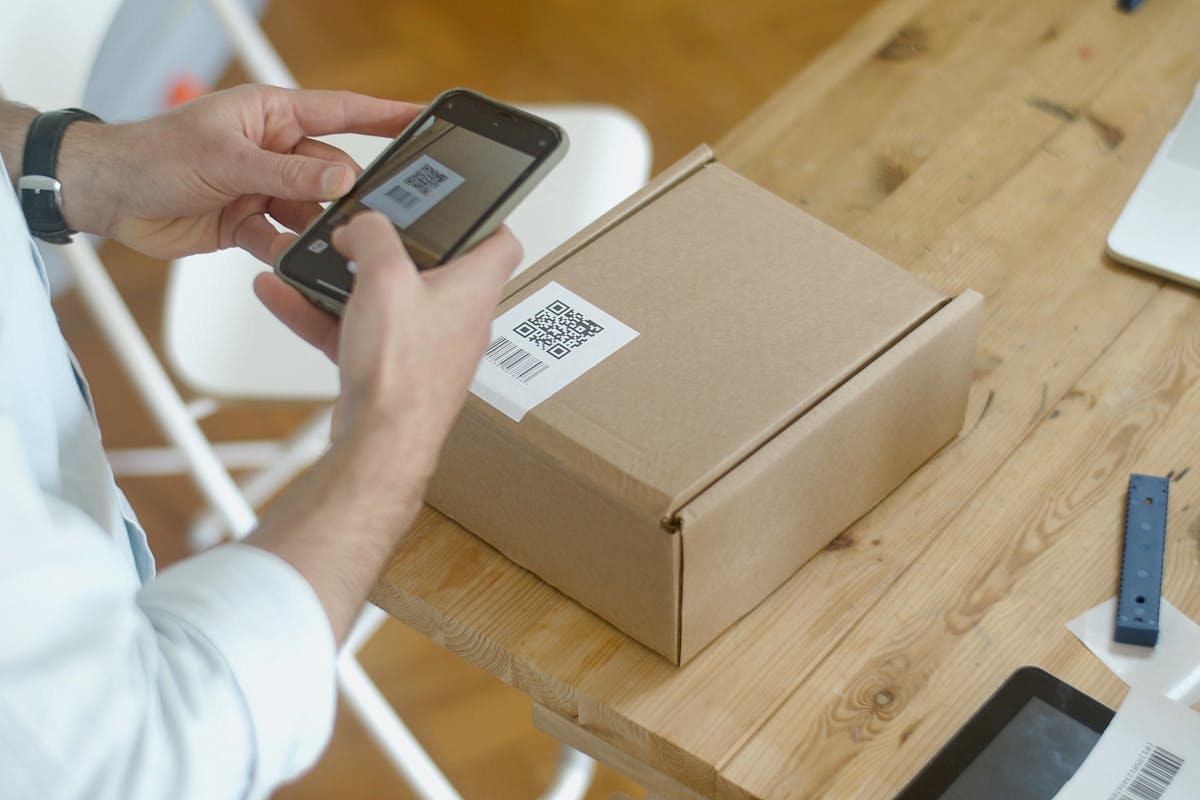
The answer is not one more label. It is a unique digital identity, anchored in the physical product through a secure NFC tag or a QR code, and verifiable by anyone with a single scan. This identity does not disappear at the first sale: it stays with the item for its entire life.
Verified resale
On resale, ownership transfers from one holder to the next and authenticity is re-checked on every scan. The second-hand buyer buys on proof, not on a claim. The brand keeps the link with the product and its new owner.
Repairability and service history
Repairs, overhauls and lifecycle events are recorded in the product's history, tied to its identity. A documented, well-kept item lasts longer and regains value on the secondary market.
Trusted second-hand
By making authenticity and history verifiable by everyone, the main barrier to reuse falls away. The product circulates more, for longer, and its residual value is better recognised.
ESPR turns this identity into a requirement
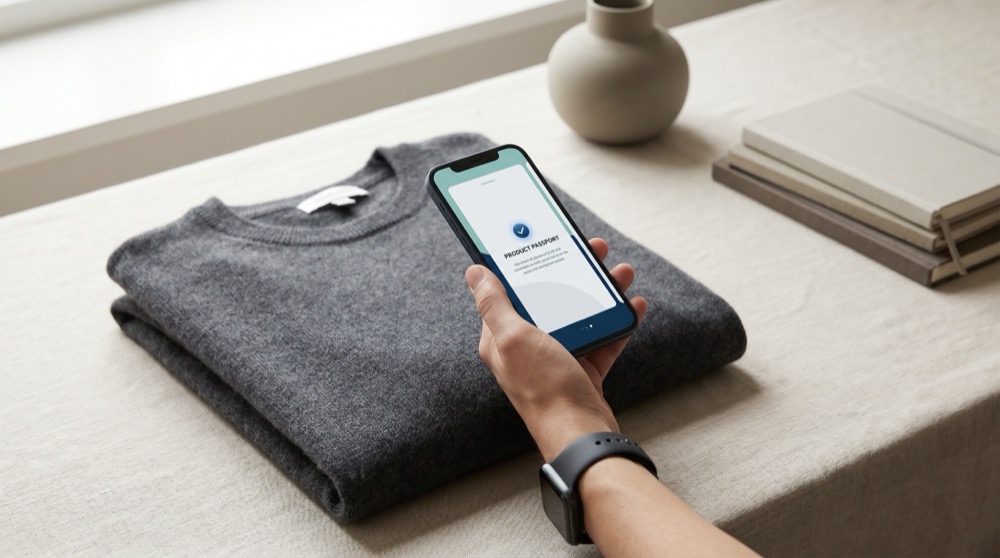
What we are describing is no longer optional. The European Ecodesign for Sustainable Products Regulation (ESPR) introduces the Digital Product Passport (DPP), which makes a product identity carrying sustainability, composition and lifecycle data mandatory. The rollout is category by category: the battery passport is expected in February 2027, textiles follow, and more verticals will be added.
In other words, brands will have to give every product a structured digital identity. The question is no longer whether to do it, but how to do it once, cleanly, so that the same identity serves compliance, anti-counterfeiting and circularity at the same time.
What it changes for brands
At SealTrust we start from a simple principle: one reliable identity per product should answer three needs that are too often handled separately.
- Compliance: data structured in the European Digital Product Passport format, ready for the category-by-category ESPR rollout.
- Anti-counterfeiting: cryptographic proof of authenticity, verifiable on every scan, with a public anchor on the Base blockchain.
- Circularity: ownership transfer, service history and verified resale that extend the product's life.
Circularity is not a nice-to-have. It is what remains once the product has left the store: the ability to prove what it is, to document what it has become, and to give it a second life without loss of trust.
For brands the stakes are twofold. First, meeting a regulatory timeline that is getting closer. Second, and more interesting, turning that constraint into an advantage: keeping the link with the product and its owner well after the sale, on a channel the brand owns.