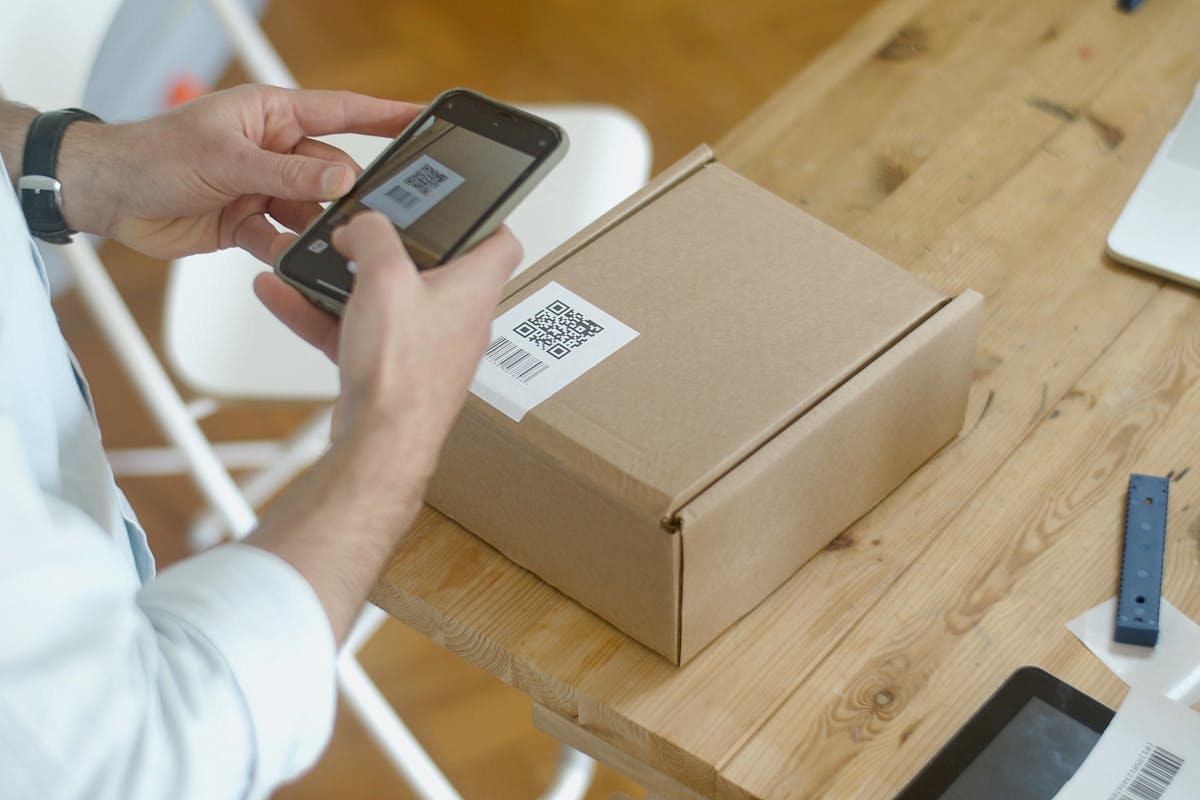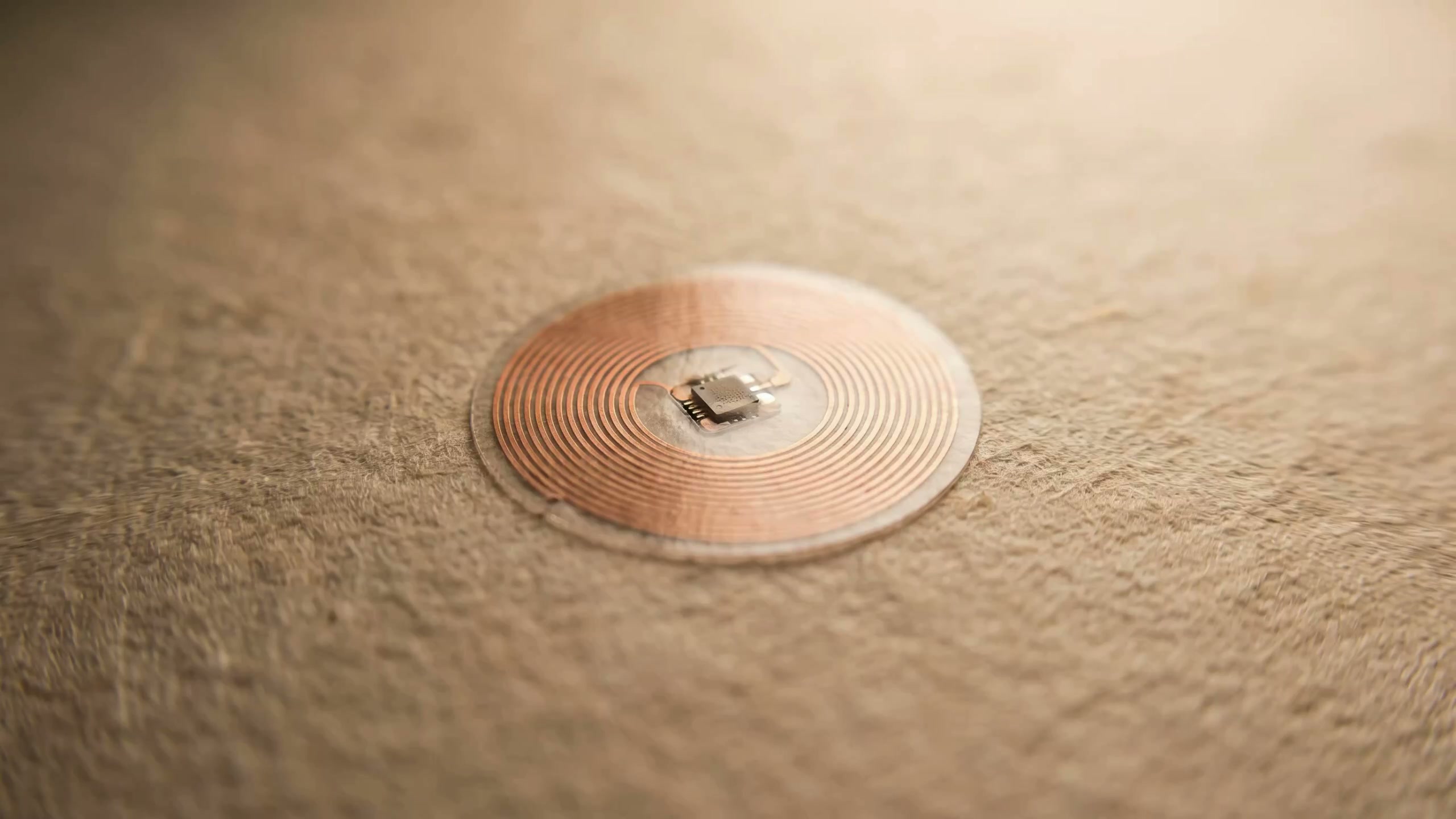
A brand adds an NFC chip to a product and assumes counterfeiting is solved. It rarely is. Not because the technology is weak, but because a tag answers one question, and only one. The trick is knowing which.
Before choosing a format, name the threat. A fake built from scratch? A genuine tag peeled off an authentic product and stuck onto a copy? Packaging resealed after opening? These are different attacks, and no single label covers them all.
Authenticating is not sealing
The foundation is cryptographic authentication. A secure chip produces a fresh, unrepeatable code on every read. Scan an original and you get a verifiable proof. Scan a copy running a cloned chip and the code falls apart. This layer answers one precise question: is it genuine.
It leaves out two others that fraudsters exploit daily. Has the product been opened? Is the tag still on the item it started on? For those, look at the tag's physical carrier, not just its chip.
The tag someone peels and reapplies
The most profitable fraud is not cloning a chip. It is lifting a real tag from a genuine product, an end-of-life one for instance, and placing it on a counterfeit. The chip is real, the code checks out, and the object is still fake.
The answer sits in the material. A destructible tag tears the moment someone tries to remove it. The antenna breaks, the tag stops working. Two constructions exist: the "peel," two layers that split apart at the first attempt to lift it, and the "scratch," whose surface destroys itself if scraped. The evidence then becomes the missing read: a silent tag on a product that should carry a working one is a signal. This format protects leather goods, watches, anything where a tag could migrate onto a fake.
The seal that knows it was opened
This one relies on a specific chip, the NTAG 424 DNA in its tamper-loop version. On top of the chip and antenna, it carries a thin detection wire held in a tail, which you route across the product's opening: the seam of a lid, the flap of a box, the cap of a bottle. While that wire stays intact, the chip answers "sealed." The moment it is opened, the tail tears, the wire breaks, and the chip records the event permanently, flagging it on every scan afterwards. The tag keeps working normally, but it remembers that it was opened.
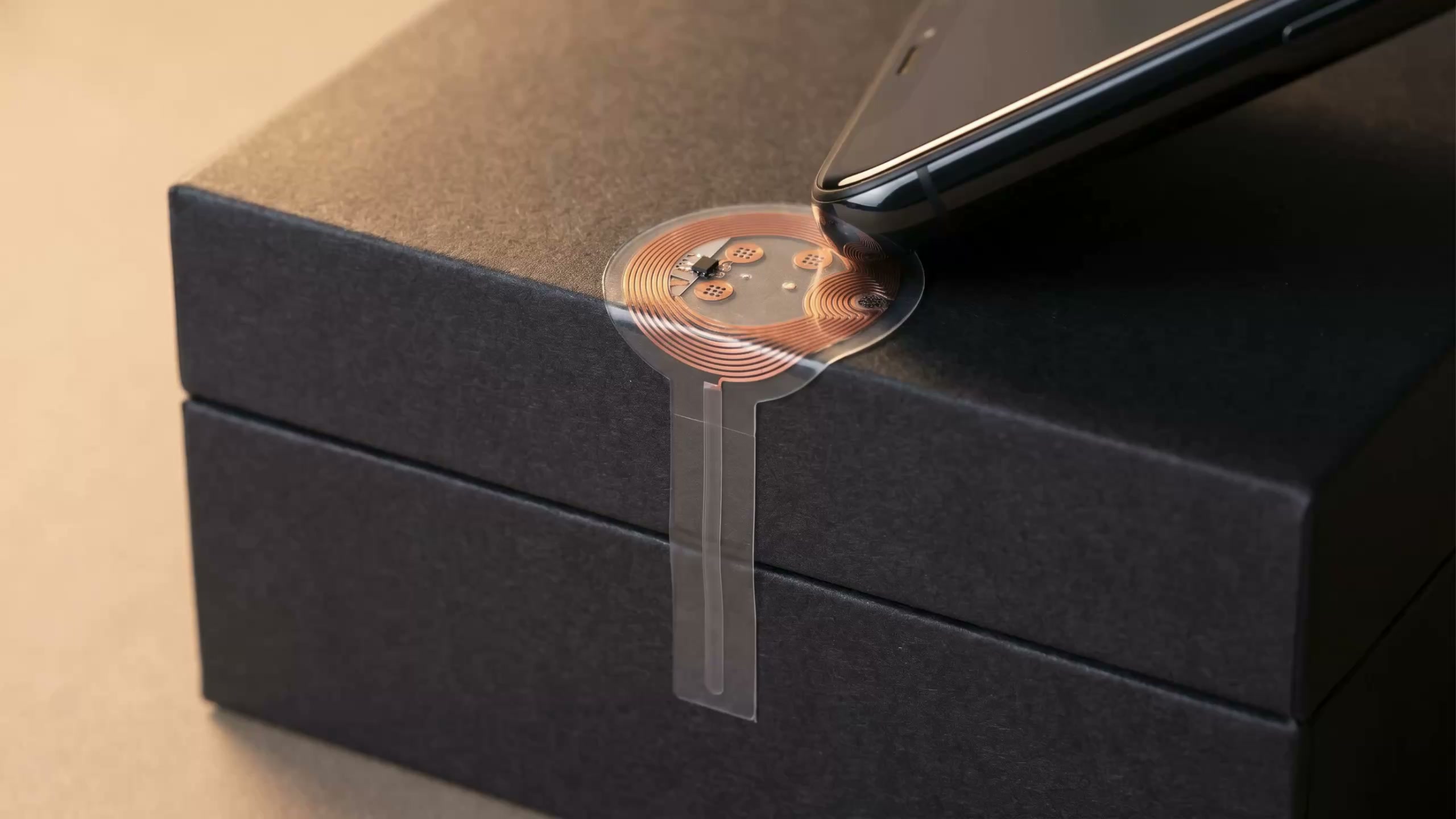
This answers "new, never opened." Cosmetics, perfume, boxed electronics, sealed goods: the promise of an untouched item has value, and here that value becomes verifiable. One nuance matters. On a resale market, it is the legitimate owner who opens the product. A broken seal there does not mean counterfeit, only that the item has been used. The data stays useful as long as you read it in context.
The proof a human can see
Not every check goes through a phone. A VOID adhesive leaves a residual pattern when removed. No scan needed, the mark is visible. It is a simple visual layer that backs up the electronics for store staff or customs. It does not prove authenticity, it makes removal obvious.
Metal, the enemy of antennas
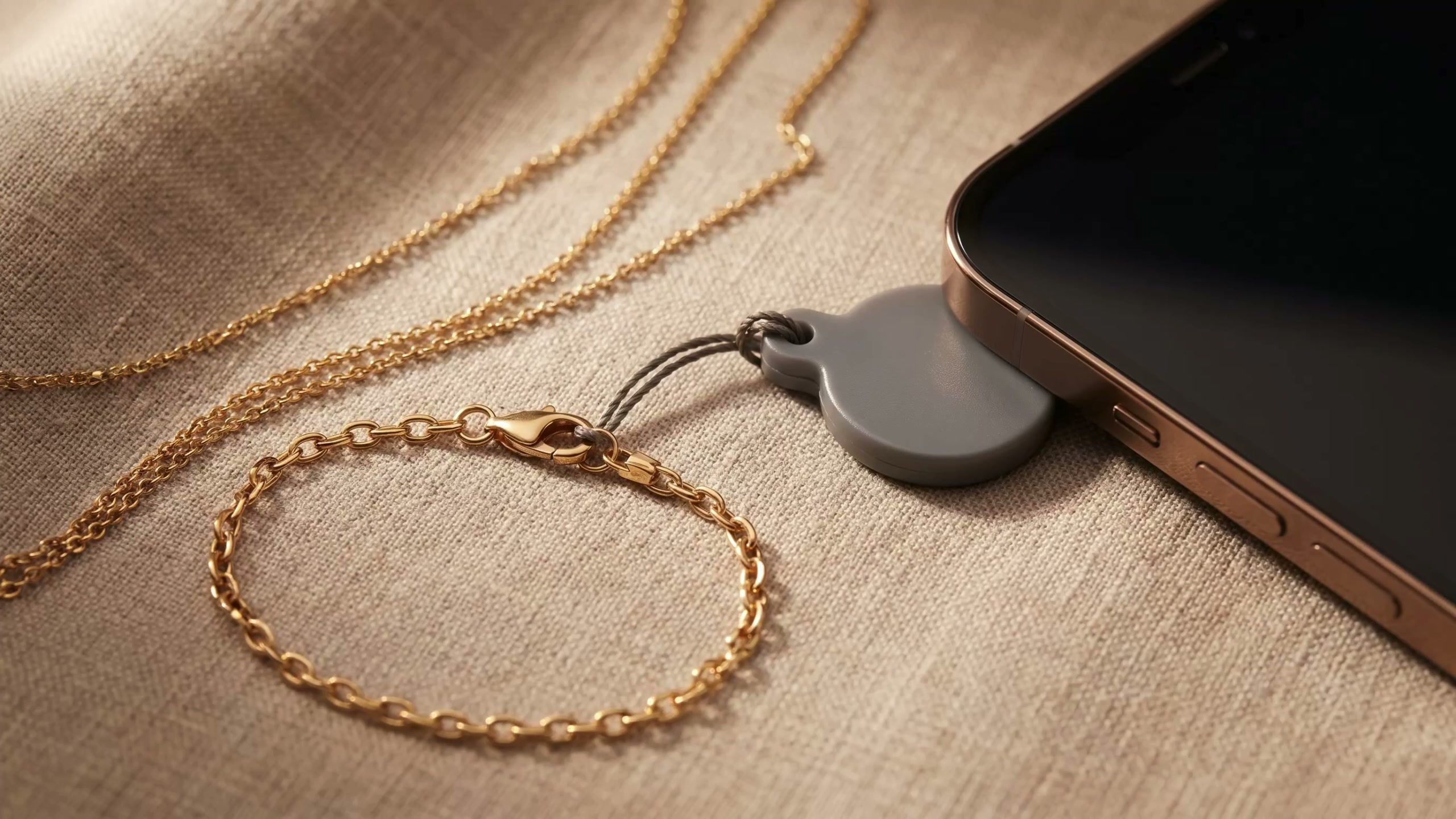
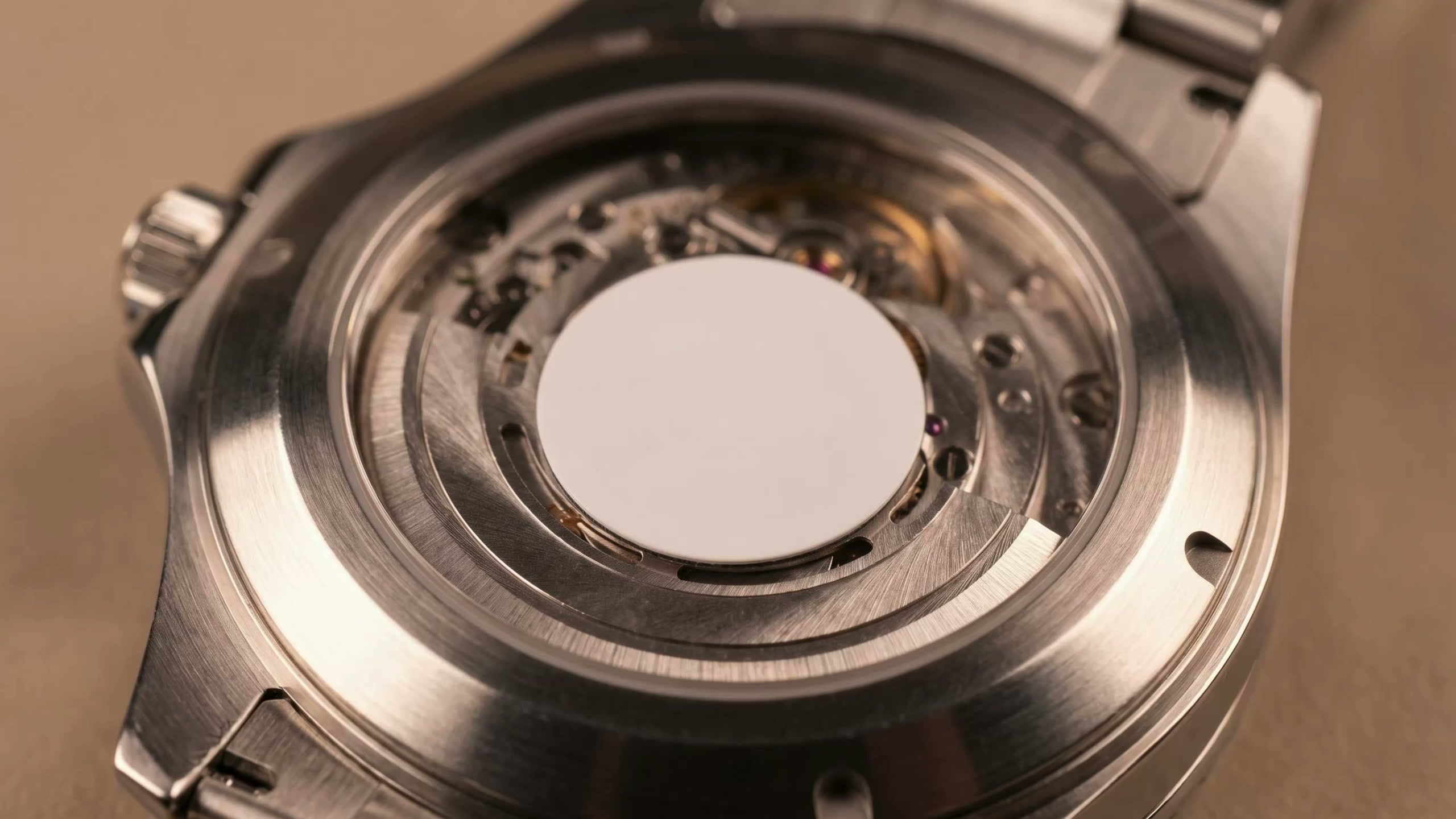
This one is a constraint, not a threat. An NFC antenna placed on metal detunes and stops reading. Yet the products that most need authentication are often metal: watches, jewelry, electronic housings. An on-metal tag adds a ferrite shield that isolates the antenna from the surface. Without it, the finest cryptographic promise collapses on the first failed scan. Always test the real read range on the final material before committing to a metal object, not on a cardboard mock-up.
The garment that goes through the wash
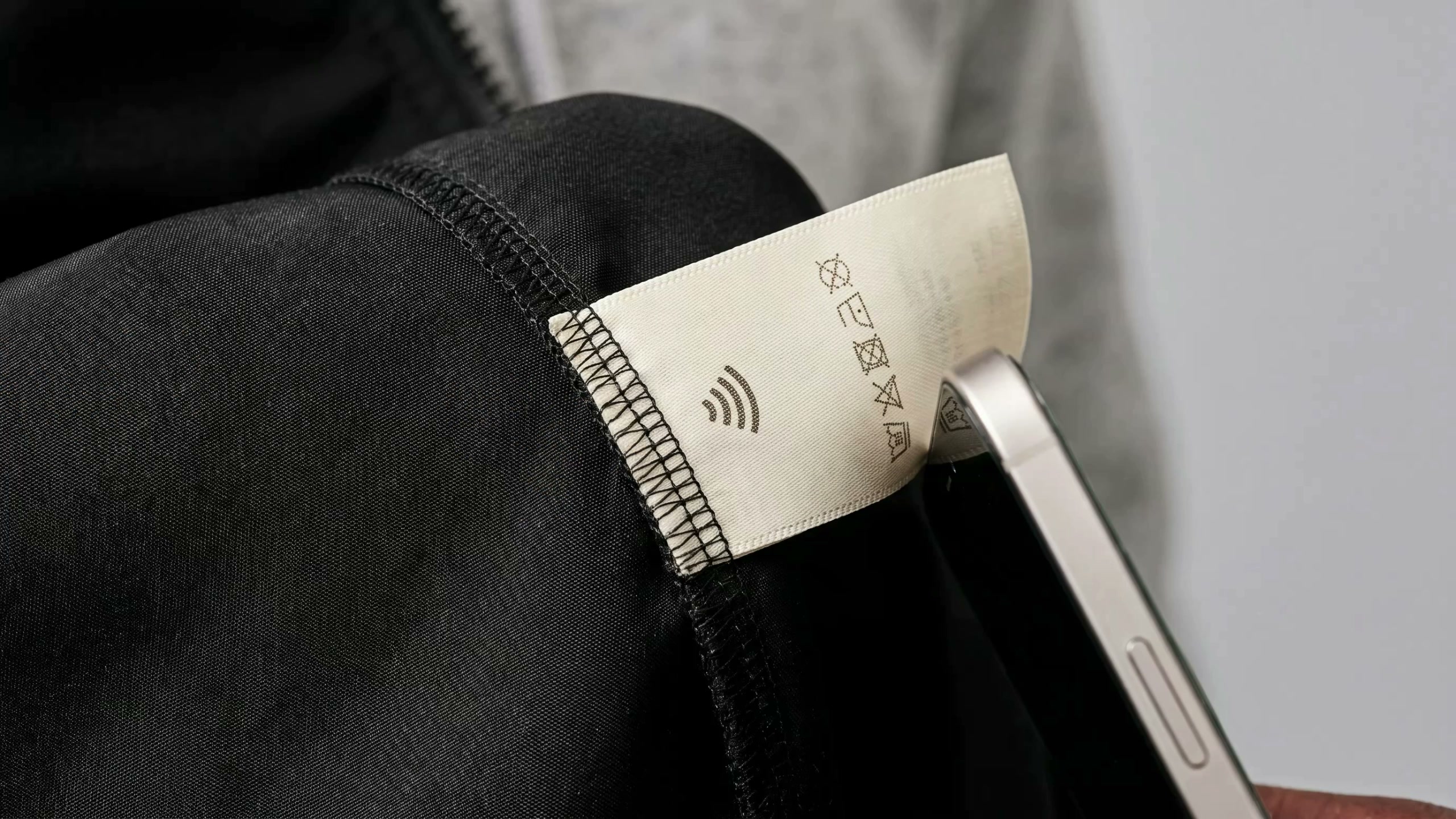
Textiles add their own demand: survival. A garment tag has to take wash and dry cycles without losing its chip or antenna. The formats exist, sewn in, heat-pressed or as a patch, and hold for dozens of washes. This is the ground of the digital product passport in fashion, where European rules push every item to carry its identity across its whole life. A tag that dies on the third wash does not fill that role.
The tag you would rather not see
Then there is design. A luxury house does not want a visible sticker on its product. Thin inlays slip under the printed label, between two layers of material, out of sight. The authentication is there, discreet, with nothing changed on the outside. That is often what separates a project the product team accepts from one it rejects on looks alone.
Which tag for which product
The threat is not the same depending on what you protect. Here are the pairings that come up most often, keeping in mind the cryptographic layer stays common to all of them.
| Product | Main threat | Fitting tag |
|---|---|---|
| Leather goods, bags | Tag transfer, opening | Inlay hidden under the leather patch, destructible option |
| Watches, jewelry | Metal detuning the antenna | On-metal micro-disc, around 6 mm |
| Cosmetics, perfume | "Sealed / new" claim, safety | NTAG 424 DNA tamper loop |
| Textiles, fashion | Wash cycles, product passport | Textile tag sewn into the label |
| Electronics | Box seal, authenticity | On-metal plus tamper loop |
The real question is not "which tag"
It is "against what." A single product can stack several answers: a cryptographic chip for authenticity, a destructible substrate against transfer, an on-metal format for reading. The layers combine.
| Threat or need | What answers it |
|---|---|
| Copy, cloned chip | Cryptographic authentication |
| Real tag peeled and transferred | Destructible substrate |
| Package reopened | Electronic tamper loop |
| Visual proof without a scan | VOID adhesive |
| Metal object | On-metal format |
| Washable garment, DPP | Textile tag |
| Invisible integration | Thin embedded inlay |
The rest is context: the product material, its life cycle, the visual constraint, the budget. There is no universal tag. There is a right tag, for a given threat, on a given product.
At SealTrust we always start from the same foundation, verifiable cryptographic authentication, then choose the physical layer to match the product and the real threat. That reading, product by product, is what separates an authentication setup that holds from a merely smart sticker.